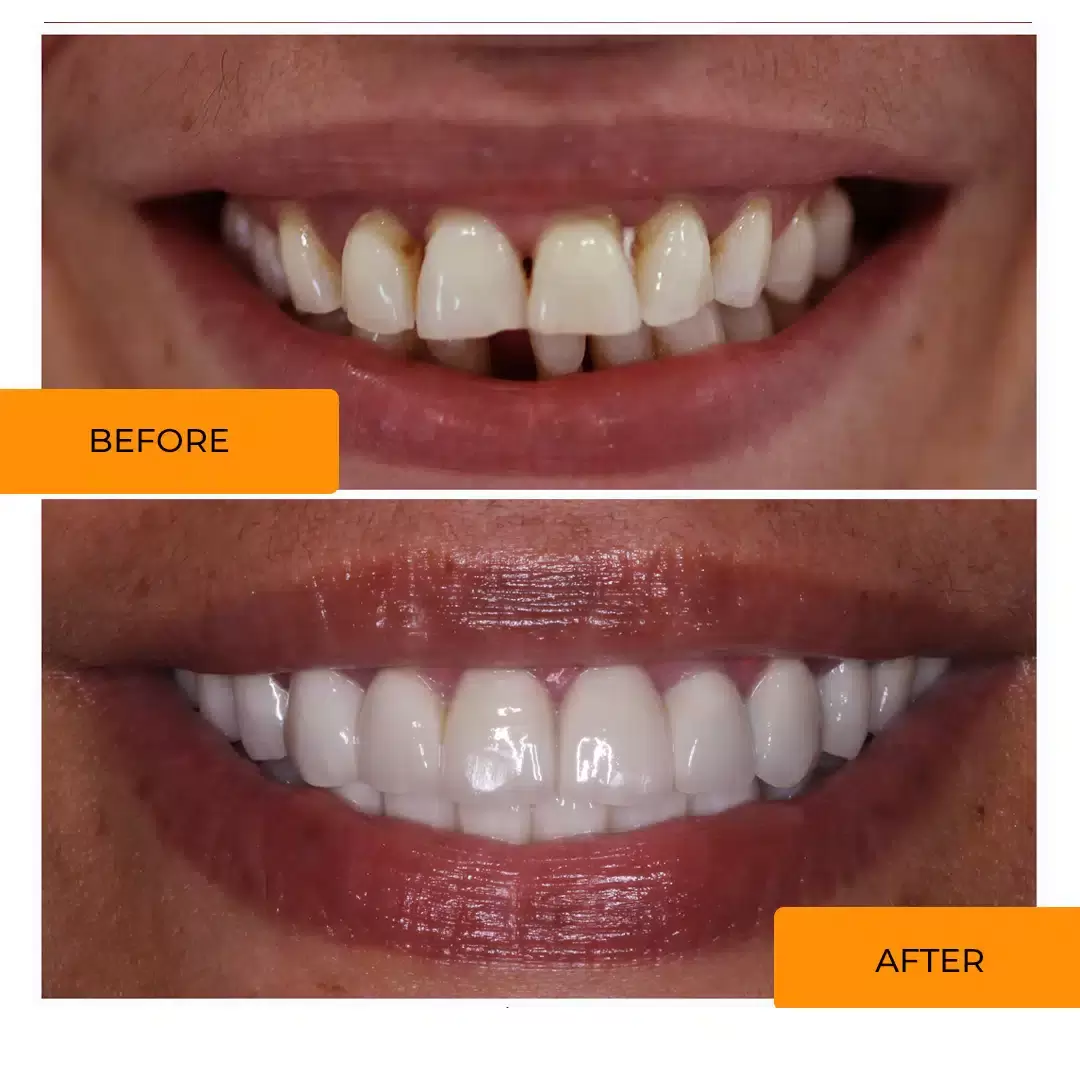
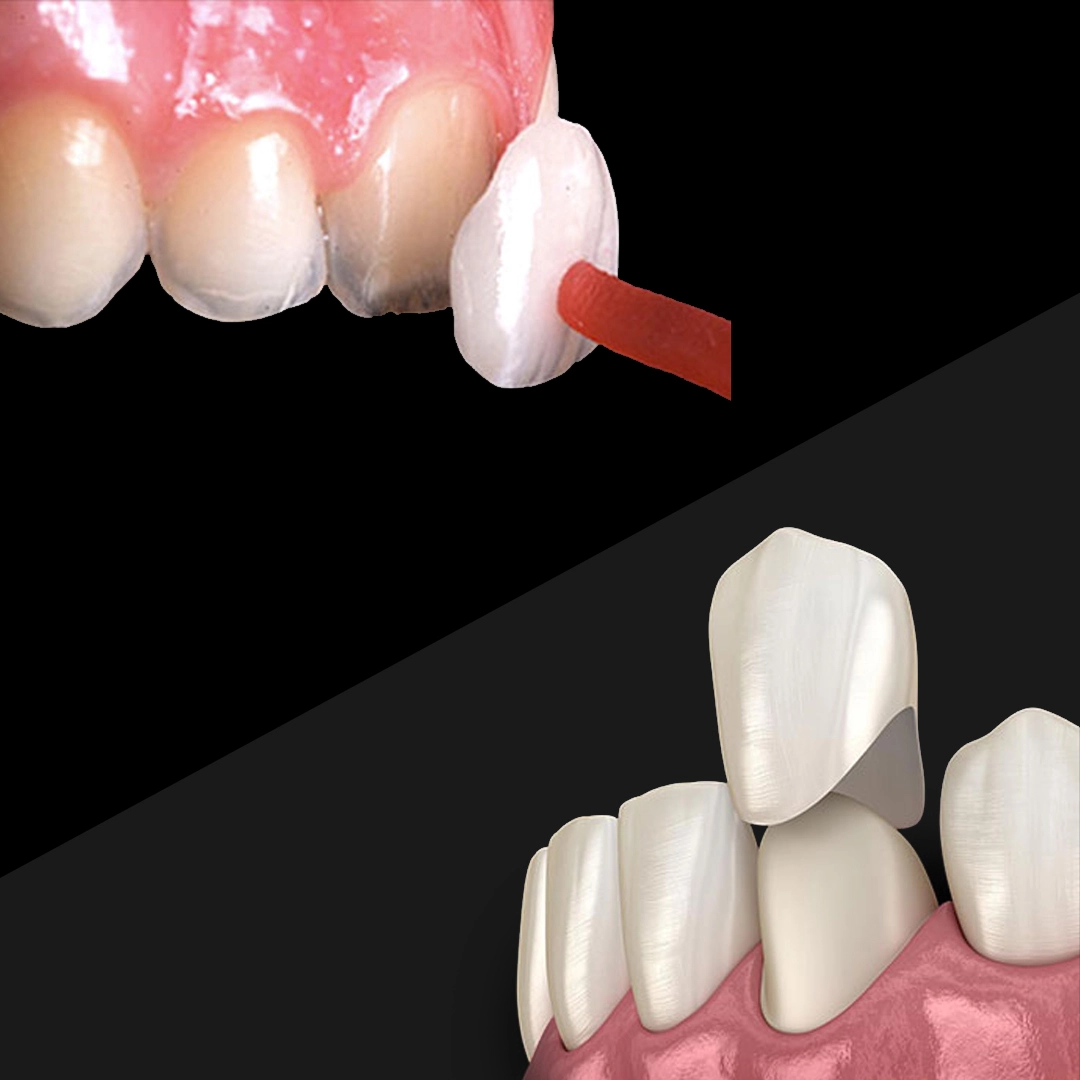
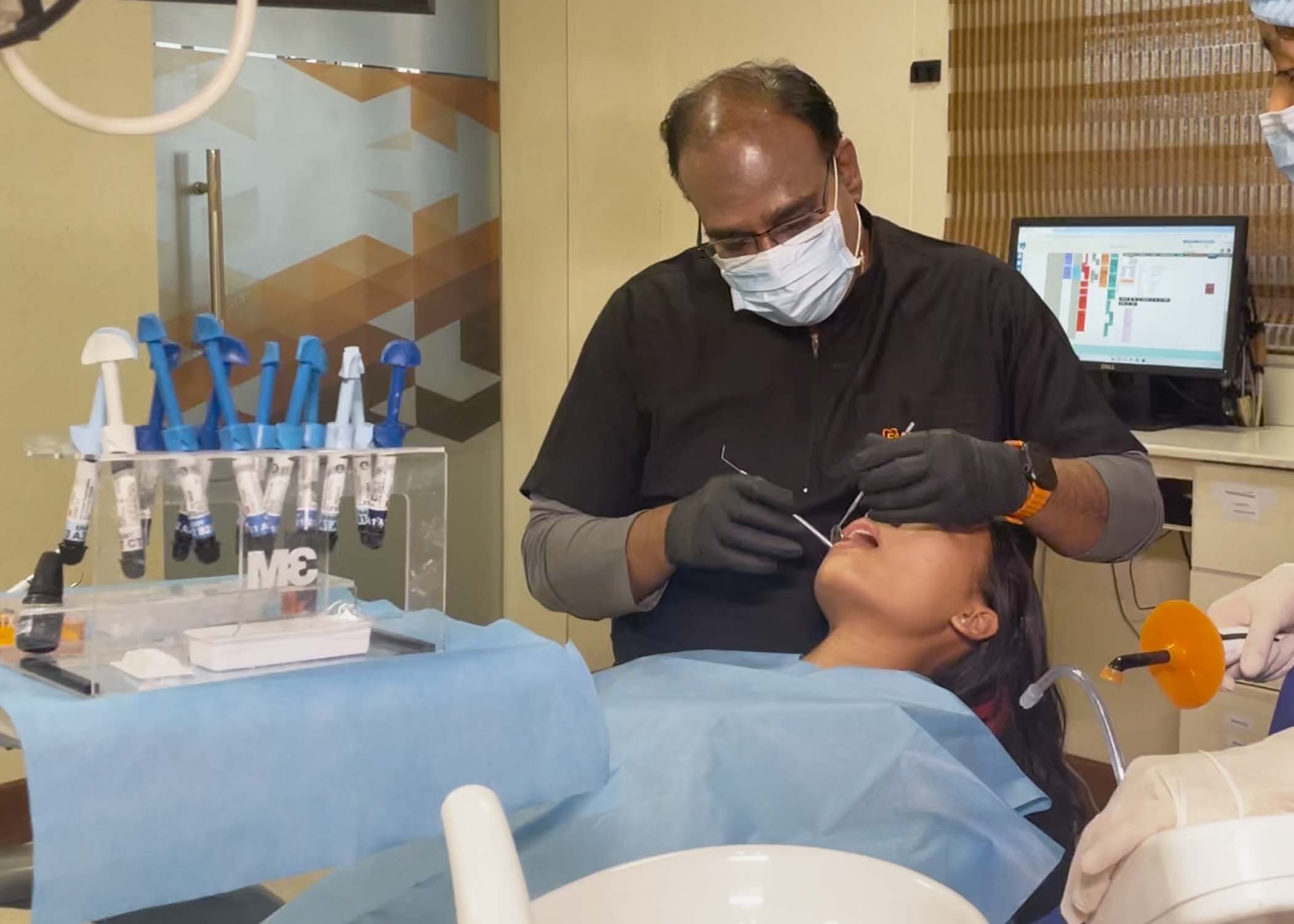
Precision Behind Natural-Looking Veneers
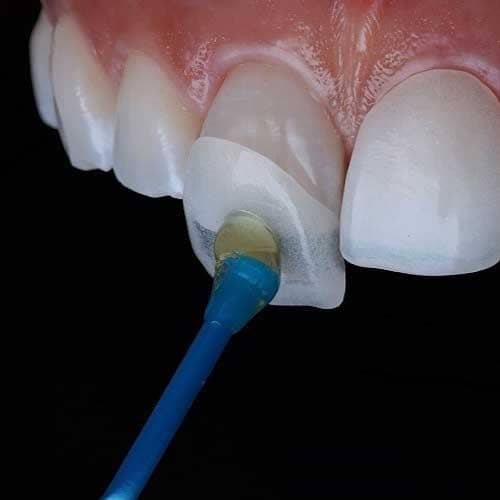
At FMS Dental, natural-looking veneers start with close
attention to detail that most patients never notice.
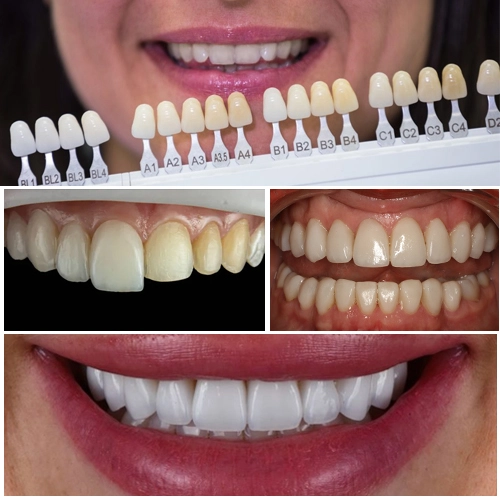
Real teeth are not one plain colour. Enamel has depth,
see-through areas, tiny flecks, and a gradual colour change
from the gum line to the biting edge. These details are hard
to see with the naked eye, let alone recreate by hand.
That's why our master technicians work under magnification
of 3.5x to 15x, the same level of precision used by jewellers
and micro-surgeons. This lets them placing characterization
exactly where it occurs naturally, blending colour transitions
seamlessly, and sculpting micro-texture that catches light
the way real enamel does.
25+ Years of Collaboration Between Dentist and Master Technicians
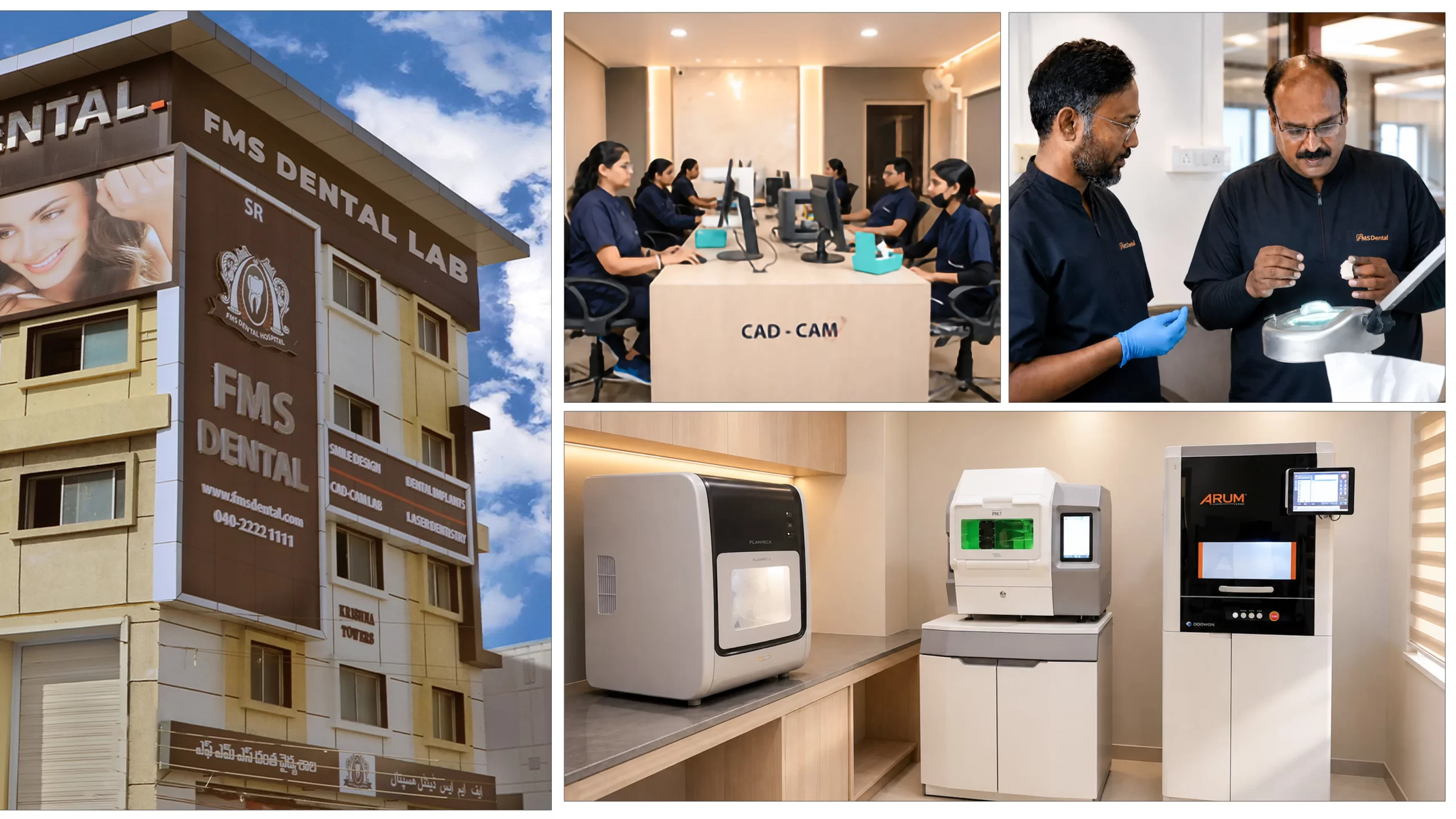
Skill alone isn't enough, though. It also takes a strong,
long-term partnership between the master technician and the
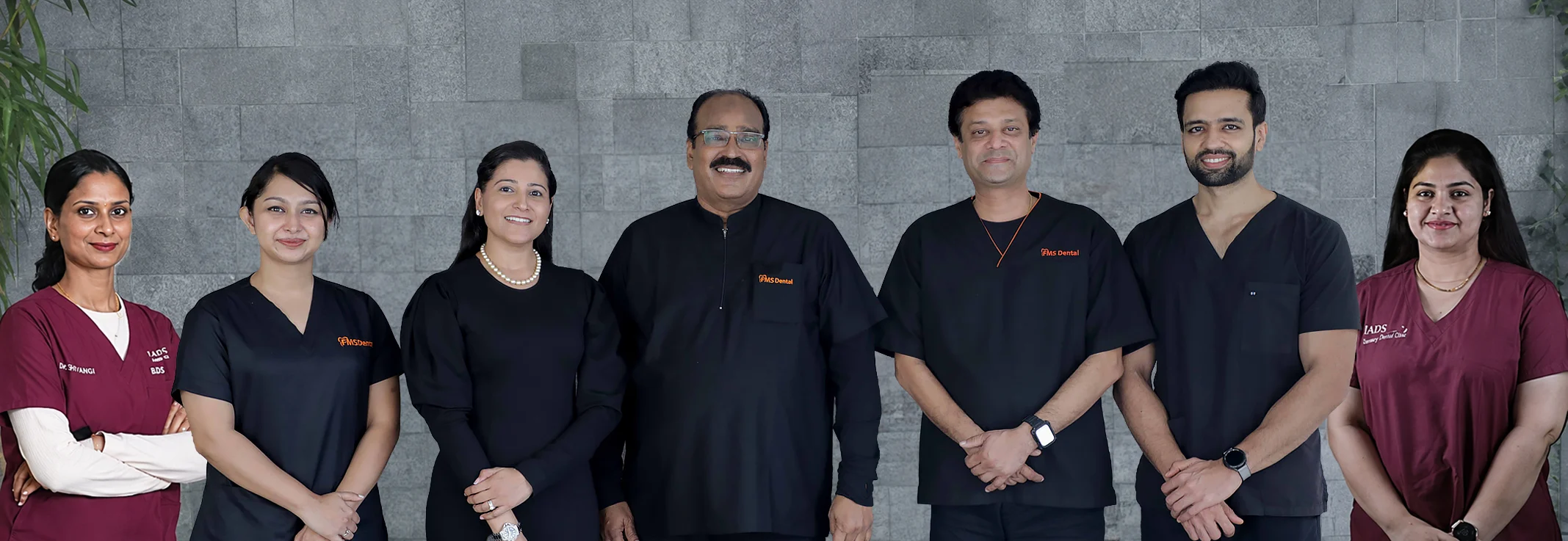
cosmetic dentist. Master technicians Javeed, Waseem and the
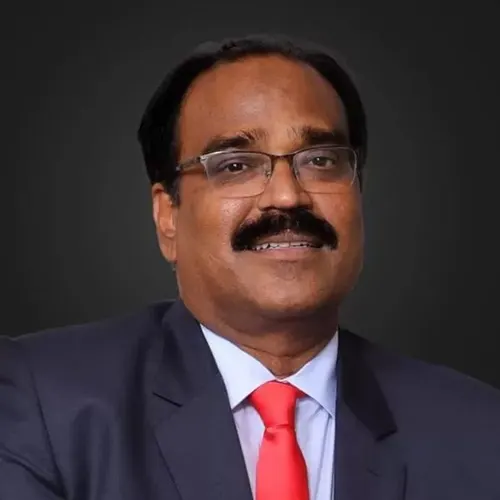
wider team have worked closely with senior cosmetic dentist
Dr. P. Parthasaradhi Reddy for over 25 years.
Together, they have built a shared understanding of shade,
shape and detail that no written instruction could replace.
Dr. Reddy stays involved through the design and try-in stages,
working with the technicians to decide on materials and
layering for each case.
This kind of close, in-house teamwork, built over many years,
is something a faraway outsourced lab simply can't offer.
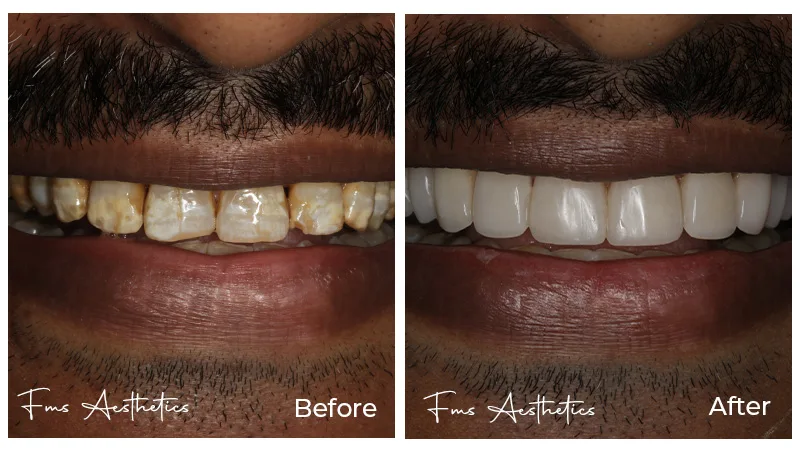
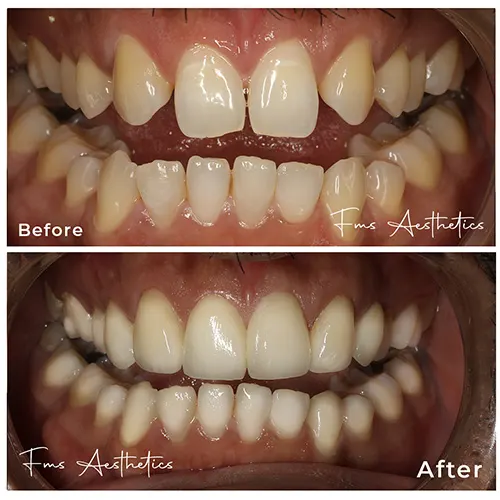
This is why FMS Dental veneers are made to look like real
teeth, not like restorations.
At FMS Dental, different materials are used to suit each patient's case, including feldspathic porcelain, pressed ceramic (Empress), milled e.max (lithium disilicate), and a CAD wax-up workflow that leads into pressing or milling. Choosing the right material takes more than just picking from a list. It's coordinated closely between the cosmetic dentist and master technician at every step. The master technician is also directly involved in the fabrication itself, not simply following a written order, so shade, material and layering decisions are made together, case by case, right through to the finished veneer.
 Locations