
Periodontal flap surgery is a scientifically proven treatment designed to treat periodontal disease (advanced gum disease). The procedure allows the Periodontist (Gum Specialist Dentist) to access and clean the root surfaces and bone areas that are otherwise unreachable. By thoroughly removing infection and allowing the gums to heal in a healthy position, flap surgery helps arrest disease progression and preserve natural teeth. If you are searching for best dental clinic in Hyderabad for Flap Surgery treatment, then FMS Dental should be on the top of your list.
Periodontal disease is a chronic gum infection that affects not only the gums but also the bone supporting the teeth. It usually begins with plaque accumulation and gradually progresses deeper below the gum line. Because the condition is often painless in the early and moderate stages, many patients do not seek treatment until the disease has already caused significant damage.
As periodontal disease advances, the gums start separating from the teeth, forming deep spaces known as periodontal pockets. These pockets harbour harmful bacteria that cannot be removed by routine brushing or even standard dental cleaning. Over time, these bacteria destroy the bone supporting the teeth, leading to looseness, migration of teeth and eventual tooth loss.
In certain cases, bone grafting may be performed along with flap surgery to restore lost bone. However, bone grafting is not mandatory for every patient. At FMS Dental, the decision is made based on detailed clinical examination, digital imaging and long-term treatment planning, ensuring that patients receive only what is genuinely required for their condition.
At FMS Dental, patient education is also considered a critical part of the treatment. The holistic treatment planning and execution’s aim is to remove fear, clear misconceptions and help patients make informed decisions about their oral health. Gum disease often progresses quietly and painlessly, yet it is one of the leading causes of tooth loss in adults. Many patients remain unaware of the seriousness of their condition until advanced damage has already occurred.
Periodontal disease is a long-standing bacterial infection that affects the gums and the jawbone that holds the teeth in place. It develops when plaque, a sticky film of bacteria, accumulates on the teeth and is not removed effectively. Over time, plaque hardens into tartar, which cannot be removed by regular brushing.
As bacteria continue to thrive below the gum line, the body’s immune response leads to inflammation and gradual destruction of the supporting tissues. The gums become swollen and start detaching from the teeth, creating deeper pockets that trap more bacteria. This cycle accelerates bone loss and weakens tooth support.
A critical concern with periodontal disease is that it often progresses silently. Many patients experience little to no pain, even while significant bone loss is occurring. This is why routine dental check-ups at FMS Dental emphasize early diagnosis through clinical evaluation and digital imaging.

Patients with gum disease may notice bleeding while brushing or flossing, which is often mistakenly ignored. Swollen, red, or tender gums are common early signs, along with persistent bad breath that does not improve with routine oral hygiene.
As the disease progresses, patients may observe pus discharge from the gums, increased spacing between teeth, or teeth appearing longer due to gum recession. In advanced stages, teeth may become loose or shift position, affecting both function and appearance.
To summarize, common signs of Gum Disease include,
✅ Bleeding gums while brushing or flossing
✅ Red, swollen or tender gums
✅ Persistent bad breath
✅ Pus discharge from gums
✅ Teeth appearing longer
✅ Loose or shifting teeth
At FMS Dental, these symptoms are carefully evaluated by senior Periodontists using periodontal probing, digital X-rays and comprehensive gum assessments to determine the exact stage of the disease and the most appropriate treatment plan.
Periodontal disease progresses through clearly defined stages, each requiring a different level of intervention.
Stage | Description | Treatment at FMS Dental |
Gingivitis | Gum inflammation without bone loss | Professional cleaning (scaling) & education |
Mild Periodontitis | Early bone involvement | Deep scaling & monitoring |
Moderate Periodontitis | Deep gum pockets | Periodontal flap surgery |
Advanced Periodontitis | Severe bone destruction | Flap surgery with or without bone graft |

Periodontal flap surgery is a minor surgical procedure performed to treat advanced gum disease. During the procedure, the gums are gently lifted away from the teeth to provide direct access to the infected root surfaces and underlying bone.
This approach allows the periodontist to thoroughly remove bacteria, tartar and infected tissue that cannot be reached through non-surgical methods. Once cleaning is completed, the gums are repositioned carefully to promote healing and reduce pocket depth.
Flap surgery is not performed routinely on all patients. At FMS Dental, it is recommended only when conservative treatments such as scaling and root planing are insufficient to control the disease.
Deep periodontal pockets act as reservoirs for bacteria, continuously fuelling infection and inflammation. When these pockets exceed a certain depth, non-surgical cleaning methods become ineffective, allowing disease progression to continue unchecked.
Flap surgery enables direct visualization of the root surfaces and bone, ensuring complete removal of infection. It also allows reshaping of irregular bone contours, creating an environment that is easier to maintain and less prone to future infection.
The ultimate goal of flap surgery at FMS Dental is disease control, preservation of natural teeth and long-term oral stability.

Flap surgery is advised when patients continue to experience bleeding, deep gum pockets or bone loss despite thorough non-surgical treatment. Radiographic evidence of bone destruction and clinical signs of disease progression are strong indicators for surgical intervention.
It is also recommended in cases where stable gum health is required before advanced treatments such as dental implants or full-mouth rehabilitation. Each recommendation is made after careful evaluation and discussion with the patient.
The procedure is carried out under local anaesthesia, ensuring complete comfort for the patient. Once the area is numb, the gums are gently lifted with precision techniques designed to minimize trauma.
Deep-seated deposits and infected tissue are meticulously removed, and the root surfaces are cleaned thoroughly. The underlying bone is evaluated and any necessary corrective procedures are performed. Finally, the gums are repositioned and secured with sutures to promote optimal healing.
The duration of the procedure typically ranges from 45 to 90 minutes, depending on the extent of disease.
Step-by-step process of Flap Surgery
Step 1: Comfortable Local Anaesthesia
Step 2: Gentle Gum Flap Creation
Step 3: Deep Cleaning & Disinfection
Step 4: Bone Evaluation
Step 5: Suturing & Healing
⏱ Procedure time: 30–45 minutes per qadrant
The primary purpose of flap surgery is to halt the progression of periodontal disease. By eliminating infection and reducing pocket depth, the procedure creates a healthier environment for the gums and supporting bone.
Patients benefit from improved gum health, reduced bleeding, better tooth stability and a significantly lower risk of future tooth loss. In many cases, flap surgery helps patients retain their natural teeth for many years.
Bone grafting is not required in every flap surgery case. The need for grafting depends on the pattern and severity of bone loss. Vertical or angular bone defects are more likely to benefit from grafting, while horizontal bone loss often heals well without it.
At FMS Dental, advanced diagnostics are used to determine whether bone grafting will provide meaningful long-term benefits. Patients are advised grafting only when it improves prognosis and treatment outcomes.
Bone Condition | Bone Graft Recommendation |
Mild bone loss | Not required |
Horizontal bone loss | Usually not required |
Vertical defects | Recommended |
Implant planning | Recommended |
Severe mobility | Case-specific |
At FMS Dental, the choice of bone graft material varies depending on the amount of bone required, the type of procedure being performed and medical health of the patient. While autografts, bone taken from the patient’s own body, are considered a preferred medical option, many patients choose to avoid a second surgical site. In such cases, allografts, xenografts and when appropriate, synthetic graft materials are commonly used to achieve optimal outcomes.
For periodontal surgeries, the particle size of the bone graft material plays a critical role in treatment success. The expert periodontists at FMS Dental carefully select graft materials ranging from putty to fine particle sizes, based on the size and nature of the bone defect. Additionally, the use of resorbable membranes and Platelet-Rich Plasma (PRP) forms an integral part of the guided tissue regeneration techniques routinely followed at FMS Dental to support effective periodontal regeneration.
FMS Dental uses scientifically validated, biocompatible bone graft materials that support natural bone regeneration. These materials act as a scaffold, allowing the body to gradually rebuild lost bone over time. FMS uses some of the best bone grafts from Rocky Mountain & NovaBone from USA and Cryos from Nobel Biocare, Sweden. Furthermore, budget-friendly bone grafts from Bio-Oss, Switzerland are also used.
Strict sterilization and evidence-based protocols ensure safety and predictability in every grafting procedure.
Initial healing typically involves mild swelling or discomfort, which is well controlled with prescribed medications. Sutures are usually removed within one week and gum tissues continue to heal & rejuvenate over the following weeks.
Long-term bone stabilization may take several months. Regular follow-up visits with senior Periodontists at FMS Dental ensure proper healing and long-term success of the treatment.
The procedure itself is painless due to effective local anaesthesia. Post-operative discomfort is usually mild and temporary, and most patients return to normal activities within a short period.
Patient feedback at FMS Dental consistently reflects that the experience is far more comfortable than anticipated.
In majority of cases, periodontal flap surgery successfully controls infection and preserves natural teeth. Early intervention significantly improves outcomes and reduces the likelihood of extractions.
Periodontal disease does not resolve on its own. Timely diagnosis and appropriate surgical intervention, when required, can protect oral health and prevent tooth loss.
At FMS Dental, periodontal flap surgeries are performed by experienced senior periodontists using advanced technology, ethical treatment planning and NABH-aligned clinical protocols. The focus remains on patient comfort, safety and long-term success.
Guided Tissue Regeneration (GTR) is an advanced periodontal surgical procedure designed to rebuild bone and supporting tissues that have been lost due to severe gum disease. In advanced periodontitis, the supporting bone around teeth gets destroyed, compromising tooth stability. GTR works by placing a specialized biocompatible membrane between the gum tissue and bone, allowing the slower-growing bone cells to regenerate while preventing the faster-growing soft tissue from occupying the space. This biological approach helps restore natural tooth support rather than simply managing infection.
Guided Tissue Regeneration (GTR),
✅Regenerates lost bone around teeth
✅Helps save teeth that might otherwise require extraction
✅Improves long-term tooth stability
✅Reduces periodontal pocket depth
✅Enhances overall prognosis in advanced gum disease
✅Supports future restorative procedures like implants
Guided Tissue Regeneration (GTR) is recommended in,
✅Deep vertical bone defects
✅Furcation involvement (bone loss between roots of molars)
✅Advanced periodontal destruction
✅Isolated bone defects around strategic teeth
✅Patients motivated to preserve natural teeth
LANAP (Laser-Assisted New Attachment Procedure) is a modern, minimally invasive laser treatment for moderate to severe gum disease. Unlike traditional gum surgery that involves scalpel incisions and sutures, LANAP uses specialized dental lasers to selectively remove infected tissue while preserving healthy gum structure. The laser energy not only disinfects deep periodontal pockets but also stimulates natural healing and new attachment of gum tissue to the tooth surface. This makes it a preferred choice for patients seeking a less invasive and more comfortable treatment option. LANAP is recommended in cases where the bone loss is minimal, whereas it is not an alternative to flap surgery, which is performed to remove infected bone from deeper structures.
LANAP is,
✅Minimally invasive procedure
✅Reduced bleeding and swelling
✅Faster healing time
✅Less post-operative discomfort
✅No large incisions or extensive sutures
✅Promotes regeneration rather than tissue removal
✅Patients with moderate to severe periodontitis
✅Patients fearful of conventional gum surgery
✅Medically compromised patients (with physician clearance)
✅Individuals seeking quicker recovery
✅Patients looking for advanced laser periodontal therapy
“In my decades of clinical practice, I have seen that most advanced gum problems could have been prevented with timely diagnosis and appropriate care. Periodontal flap surgery is not a procedure to be feared—it is a carefully planned, evidence-based treatment designed to control infection and preserve natural teeth.
At FMS Dental, flap surgery is recommended only when absolutely necessary and only after conservative treatments have been exhausted. Each patient is evaluated individually and the treatment plan is designed with long-term stability, comfort and oral health in mind. Our goal is always to save teeth, not remove them.
Healthy gums are the foundation of a healthy smile and overall well-being. With the right treatment at the right time, most patients can retain their natural teeth and enjoy good oral health for many years.”
— Dr. Murali Krishna, Senior Periodontist, FMS Dental
✅ Over three decades of clinical excellence
✅ Specialist-led periodontal treatment
✅ Advanced diagnostics and technology
✅ Transparent, patient-first approach
Healthy gums are the foundation of a healthy smile. FMS Dental is committed to preserving both.


Gum disease is a prevalent oral health issue that affects millions worldwide…
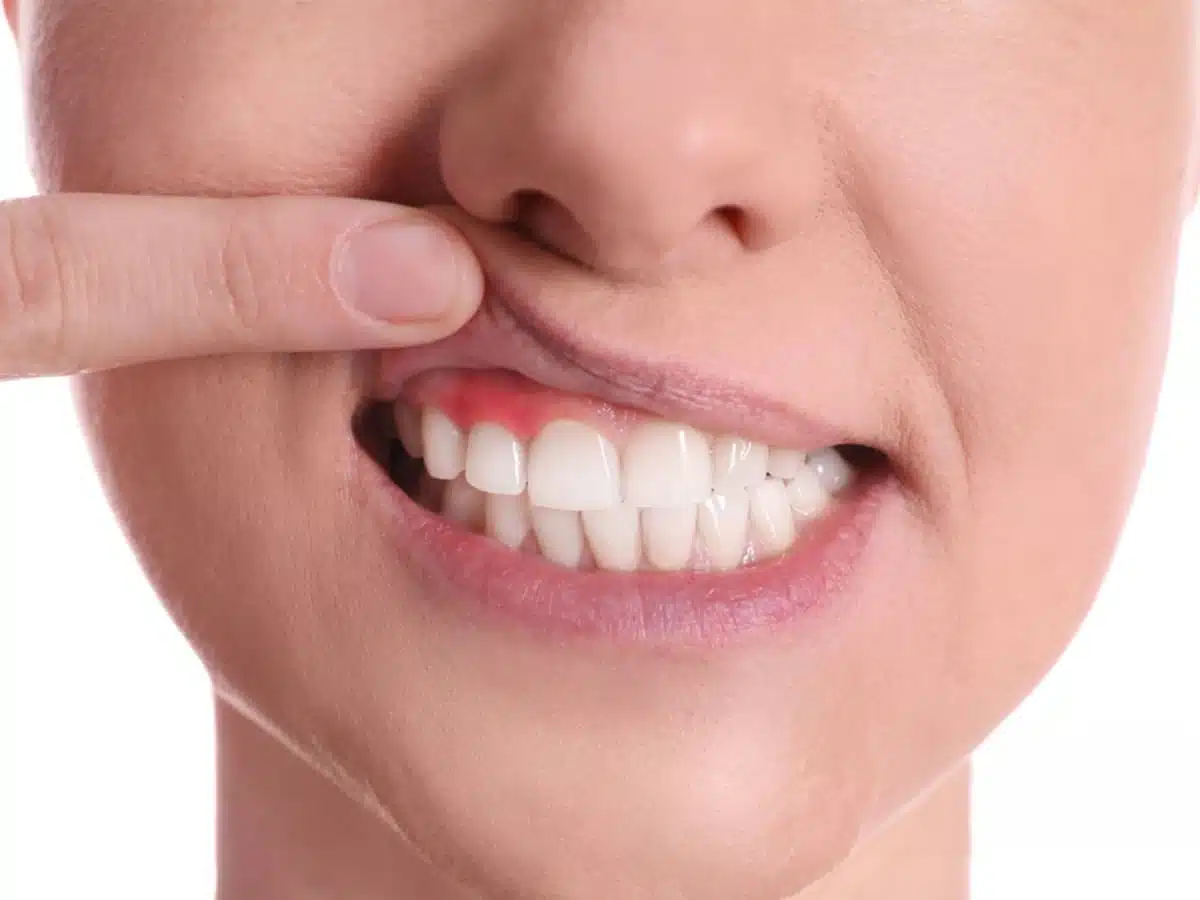
PERIODONTITIS, more commonly known as the gum disease or pyorrhea is caused by plaque…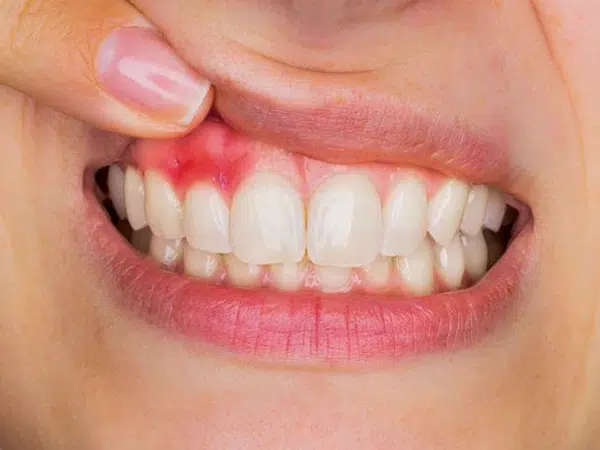
As aptly expressed by the renowned American poet Mr. Ogden Nash…
Gum disease is an infection of the gums and bone supporting the teeth (alveolar bone). If left untreated, it can silently destroy bone and cause tooth loss. Early diagnosis and treatment at specialist dental centres like FMS Dental can prevent permanent damage.
Flap surgery is a minor gum surgery done to clean deep infection below the gums. The gums are gently lifted, the infection is removed, and the gums are placed back to heal properly.
Flap surgery is required when deep gum pockets remain even after scaling and cleaning, or when bone loss is seen on X-rays. It helps stop further damage and save natural teeth.
No, flap surgery is not painful during the procedure because it is done under local anaesthesia. Mild discomfort after surgery is common and easily controlled with medication.
Flap surgery usually takes about 30 to 45 minutes per quadrant, depending on the number of teeth involved and the severity of gum disease.
Yes, flap surgery is a safe and well-established procedure when performed by experienced periodontists. At FMS Dental, it is done by senior periodontists in Hyderabad aligning with strict safety protocols.
Not always. Bone grafting is needed only if there are deep or vertical bone defects. Many patients require flap surgery alone without bone grafting.
The decision is based on clinical examination, digital X-rays and CBCT scans. At FMS Dental, bone grafting is advised only when it improves long-term tooth stability.
Yes, in many cases flap surgery can stabilize loose teeth by removing infection and stopping further bone loss, especially when done at the right time.
Untreated gum disease can lead to progressive bone loss, loose teeth, chronic bad breath and eventual tooth loss. It may also affect overall health.
Initial gum healing takes about 1 to 2 weeks. Bone stabilization may take a few months. Regular follow-ups help ensure proper healing.
Patients are advised to eat soft foods for a few days after surgery. Normal eating habits can usually be resumed gradually as healing progresses.
In many cases, yes. Healthy gums and stable bone are essential for successful implants. Flap surgery helps create a healthy foundation before implant placement.
Flap surgeries at FMS Dental are performed by senior, specialist periodontists with decades of clinical experience in managing advanced gum disease.
Flap surgery cost in Hyderabad typically ranges between ₹10,000 to ₹15,000 per quadrant, depending on severity of gum disease, clinic expertise and advanced technology used.
Coverage depends on the individual insurance policy. The team at FMS Dental assists patients with documentation and guidance wherever possible.
FMS Dental offers specialist-led care, advanced diagnostics, strict adherence to sterilization protocols and ethical treatment planning focused on saving natural teeth.
Gum disease can recur if oral hygiene and follow-up care are neglected after flap surgery. Regular maintenance visits to senior Periodontists at FMS Dental help keep gums healthy in a long-term.
Proper post-surgery care includes avoiding brushing near the surgical site, using saltwater or antibacterial mouth rinses, eating soft foods, avoiding smoking and attending follow-up dental visits.
Only a detailed gum examination by Periodontist and X-rays can determine this. Bleeding gums, deep pockets or loose teeth are common warning signs.
Yes, gum disease is common due to late diagnosis. Flap surgery is a routinely performed and effective treatment at advanced dental clinics like FMS Dental.
Patients seeking advanced, ethical and specialist-led gum treatment can consult the periodontal team at FMS Dental, one of Hyderabad’s most trusted dental clinics.
Yes, stitches (sutures) are commonly placed to secure the gum tissue. These may be dissolvable or removable, depending on the technique used.