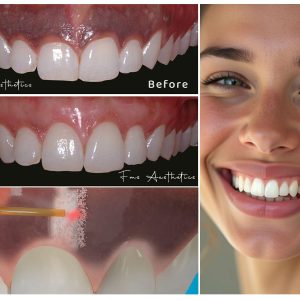
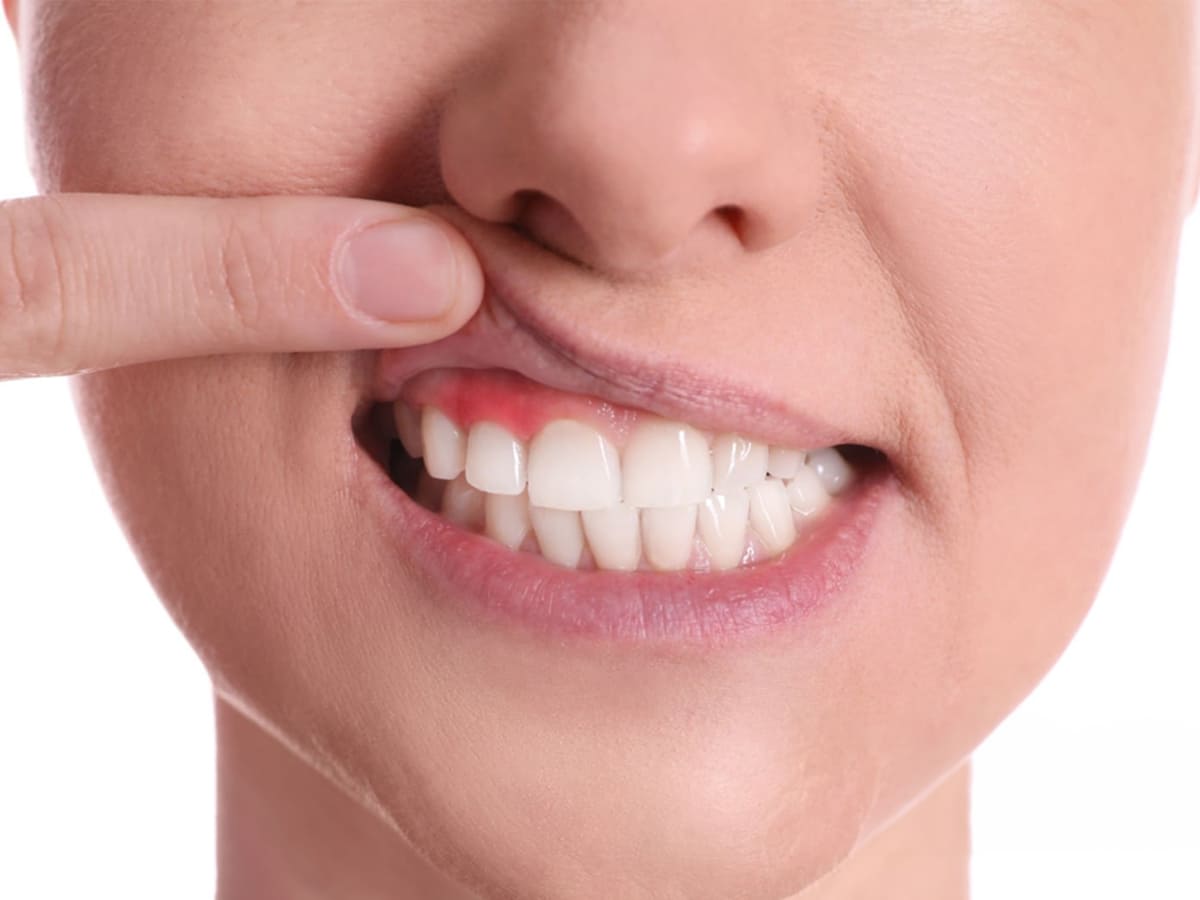
Gum disease is a prevalent oral health issue that affects millions worldwide. It begins with bacterial build up on teeth and can progress to severe conditions if untreated. Early recognition and intervention are key to preventing irreversible damage. This article explores the causes, symptoms and treatment options for gum disease, providing a thorough understanding for individuals seeking to maintain or improve their oral health.
Causes of Gum Disease
Gum disease primarily results from poor oral hygiene, but several factors contribute to its development:
1. Plaque and Tartar Buildup
The primary cause of gum disease is dental plaque, a sticky film of bacteria that forms on teeth. If not removed through regular brushing and flossing, plaque hardens into tartar, which irritates gums and leads to inflammation. Plaque contains bacteria that release toxins, triggering an immune response that can damage gum tissue.
2. Poor Oral Hygiene
Inconsistent or inadequate brushing and flossing allow plaque to accumulate, increasing the risk of gum disease. Neglecting regular dental check-ups also prevents early detection and removal of tartar.
3. Smoking and Tobacco Use
Tobacco use, including smoking and chewing, is a significant risk factor. It weakens the immune system, reduces blood flow to the gums, and impairs healing, making it harder for the body to fight gum infections.
4. Genetic Predisposition
Some individuals are genetically predisposed to gum disease. Even with good oral hygiene, they may be more susceptible due to inherited traits affecting immune response or gum tissue resilience.
5. Hormonal Changes
Hormonal fluctuations during puberty, pregnancy or menopause can make gums more sensitive to plaque, increasing the likelihood of inflammation. Pregnant women, for example, may experience “pregnancy gingivitis” due to elevated hormone levels.
6. Medical Conditions
Certain conditions, such as diabetes, weaken the body’s ability to fight infections, including gum disease. Other diseases like HIV or cancer can also compromise immune function, exacerbating gum issues.
7. Medications
Some medications, including anticonvulsants, calcium channel blockers, and immune-suppressants, can cause gum overgrowth or reduce saliva production, creating an environment conducive to bacterial growth.
8. Poor Nutrition
A diet lacking essential nutrients, particularly vitamin C, can weaken gums and impair healing. Excessive consumption of sugary foods also fuels bacterial growth, worsening plaque buildup.
9. Stress
Chronic stress weakens the immune system, making it harder for the body to combat gum infections. Stress may also lead to habits like teeth grinding, which can indirectly affect gum health.
Symptoms of Gum Disease
Gum disease progresses in stages, with symptoms varying based on severity. Recognizing these signs early can prevent complications.
1. Gingivitis (Early Stage)
Gingivitis is the mildest form of gum disease and is often reversible. Symptoms include:
- Red or Swollen Gums : Gums may appear inflamed or puffy.
- Bleeding Gums : Bleeding during brushing or flossing is a common sign.
- Bad Breath : Persistent bad breath or a bad taste in the mouth may occur.
- Tenderness : Gums may feel tender to the touch but are not usually painful.
2. Periodontitis (Advanced Stage)
If untreated, gingivitis can progress to periodontitis, causing more severe symptoms:
- Receding Gums : Gums may pull away from teeth, making them appear longer.
- Pockets Between Teeth and Gums : Deep spaces form between tooth and gums, trapping bacteria and food particles.
- Loose or Shifting Teeth : Bone and tissue loss can cause teeth to become loose or change position.
- Pus Formation : Infection may lead to pus between teeth and gums.
- Chronic Bad Breath : Persistent halitosis becomes more pronounced.
- Painful Chewing : Discomfort or pain while eating may occur.
3. Advanced Periodontitis
In severe cases, advanced periodontitis can lead to:
- Significant Bone Loss : Supporting bone under the gums and around the tooth deteriorates, risking tooth loss.
- Abscesses : Painful, pus-filled infections may form on gums.
- Changes in Bite : Teeth misalignment can affect chewing and speech.
Treatment Options for Gum Disease
Treatment depends on the stage and severity of the disease. The goal is to control infection, reduce inflammation, and restore gum and bone health.
1. Non-Surgical Treatments
For early-stage gum disease (gingivitis) or mild periodontitis, non-surgical options are often effective:
- Professional Dental Cleaning: A dentist or hygienist removes plaque and tartar through scaling and polishing. This is typically done during routine cleanings for gingivitis.
- Scaling and Root Planing : A deep-cleaning procedure that removes tartar from above and below the gum-line and smooths tooth roots to promote gum reattachment. Local anesthesia may be used.
- Antibiotics : Topical or oral antibiotics, such as doxycycline or chlorhexidine rinses, may be prescribed to control bacterial infection.
- Improved Oral Hygiene : Patients are educated on proper brushing (twice daily with a soft-bristled brush) and flossing techniques. Using an antiseptic mouthwash can also help reduce plaque.
2. Surgical Treatments
For advanced periodontitis, surgical intervention may be necessary:

- Flap Surgery (Pocket Reduction Surgery) : Gums are lifted to remove tartar from deep pockets, then sutured back to fit snugly around teeth.
- Bone Grafts : Synthetic or natural bone is used to replace bone lost to periodontitis, helping stabilize teeth.
- Soft Tissue Grafts : Tissue from the palate or another source is grafted to cover exposed tooth roots or restore receded gums.
- Guided Tissue Regeneration : A mesh-like material is placed between bone and gum to encourage bone regrowth while preventing unwanted tissue growth.
- Bone Surgery : Reshaping or smoothing shallow craters in the bone caused by periodontitis can reduce areas where bacteria accumulate.
3. Adjunctive Therapies
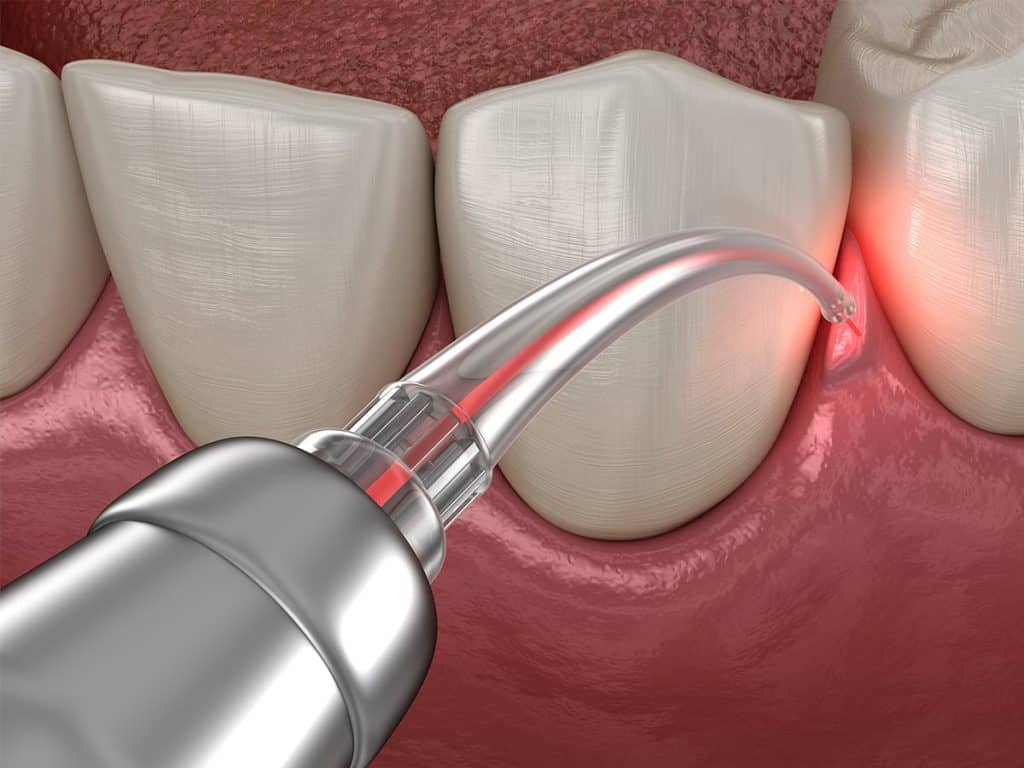
- Laser Therapy : Lasers can remove inflamed tissue and bacteria with less discomfort than traditional methods. It’s often used alongside scaling and root planing.
- Antimicrobial Treatments : Gels, chips or microspheres containing antibiotics are placed in gum pockets to target bacteria over time.
4. Lifestyle and Home Remedies
- Quit Smoking : Ceasing tobacco use improves gum healing and reduces disease progression.
- Healthy Diet : Consuming foods rich in vitamins C and D, calcium, and antioxidants supports gum health.
- Stress Management : Techniques like meditation or exercise can bolster immune function.
- Regular Dental Visits : Biannual check-ups allow for early detection and management of gum issues.
5. Maintenance and Prevention
After treatment, ongoing care is essential to prevent recurrence:
- Consistent Oral Hygiene : Brushing, flossing, and using mouthwash daily are critical.
- Regular Cleanings : Professional cleanings every 3–6 months help monitor and maintain gum health.
- Monitoring Risk Factors : Managing conditions like diabetes, epilepsy, blood pressure or adjusting medications with dental side effects can reduce risks.
Complications of Untreated Gum Disease
If left untreated, gum disease can lead to:
- Tooth Loss : Advanced periodontitis destroys supporting bone and tissue, causing teeth to fall out.
- Systemic Health Issues : Gum disease is linked to heart disease, stroke, diabetes complications and respiratory issues due to bacterial spread.
- Pregnancy Complications : Pregnant women with gum disease may face a higher risk of pre-term birth or low birth weight.
Gum disease is a preventable and treatable condition with proper care. By understanding its causes—primarily plaque buildup, tartar buildup, poor oral hygiene and lifestyle factors, individuals can take proactive steps to protect their oral health. Recognizing symptoms like bleeding gums or loose teeth early allows for timely intervention, often through non-surgical treatments like scaling and root planing. For advanced cases, surgical options and lifestyle changes can restore gum and bone health. Regular dental visits, diligent oral hygiene and healthy habits are key to preventing gum disease and its complications. If you suspect gum disease, consult a dentist promptly to develop a tailored treatment plan.
FMS Dental Clinics offers advanced and personalized gum treatments designed to restore oral health and prevent future periodontal issues. With a team of experienced periodontists, Expert Gum Specialists and state-of-the-art technology, FMS ensures effective management of gum diseases ranging from gingivitis to advanced periodontitis. Treatments such as scaling and root planing, laser therapy (LANAP), and surgical interventions are performed with precision and care. The clinic’s patient-centric approach emphasizes early diagnosis, education, and long-term maintenance.. The clinic’s patient-centric approach emphasizes early diagnosis, education, and long-term maintenance. Whether you’re experiencing bleeding gums, bad breath, or gum recession, FMS Dental Clinics provides comprehensive solutions.
Are you looking for gum treatments. Consult FMS Dental Clinics, Best Dental Clinic in Hyderabad. Specialized in advanced dental treatments.
For Appointment Booking. Please call us or WhatsApp at 8885060770 or Email Us at [email protected]