
For many individuals, dental visits evoke feelings of unease and fear, ranging from mild discomfort to severe phobia. However, there are effective ways to navigate and alleviate dental anxiety, ensuring a more comfortable experience during treatment.
Overview of Dental Anxiety:
Dental anxiety refers to feelings of fear, anxiety, or stress related to a dental environment. This fear can lead to delaying or avoiding dental care, potentially worsening oral health issues.
Common triggers of dental anxiety include:
– Needles
– Drills
– The overall dental setting
When dental anxiety becomes severe, leading to irrational fear and avoidance of dental visits, it is classified as dental phobia.
Contributing Factors:
Certain mental health conditions can increase the likelihood of experiencing dental anxiety, such as:
– Generalized anxiety disorder
– Post-traumatic stress disorder (PTSD)
– History of head and neck trauma
– Depression, bipolar disorder, and schizophrenia
Symptoms of Dental Anxiety:
Individuals with dental anxiety may exhibit:
– Sweating
– Racing heartbeat (tachycardia) or palpitations
– Low blood pressure and possible fainting (syncope)
– Visible distress, crying, or signs of panic
– Withdrawal, or using humor or aggression to mask anxiety
These symptoms can cause individuals to miss or avoid dental appointments, making both simple and complex treatments difficult.
Impact on Oral Health:
Avoiding dental visits can worsen dental diseases, necessitating emergency care or more complex treatments. This avoidance perpetuates the cycle of dental anxiety.
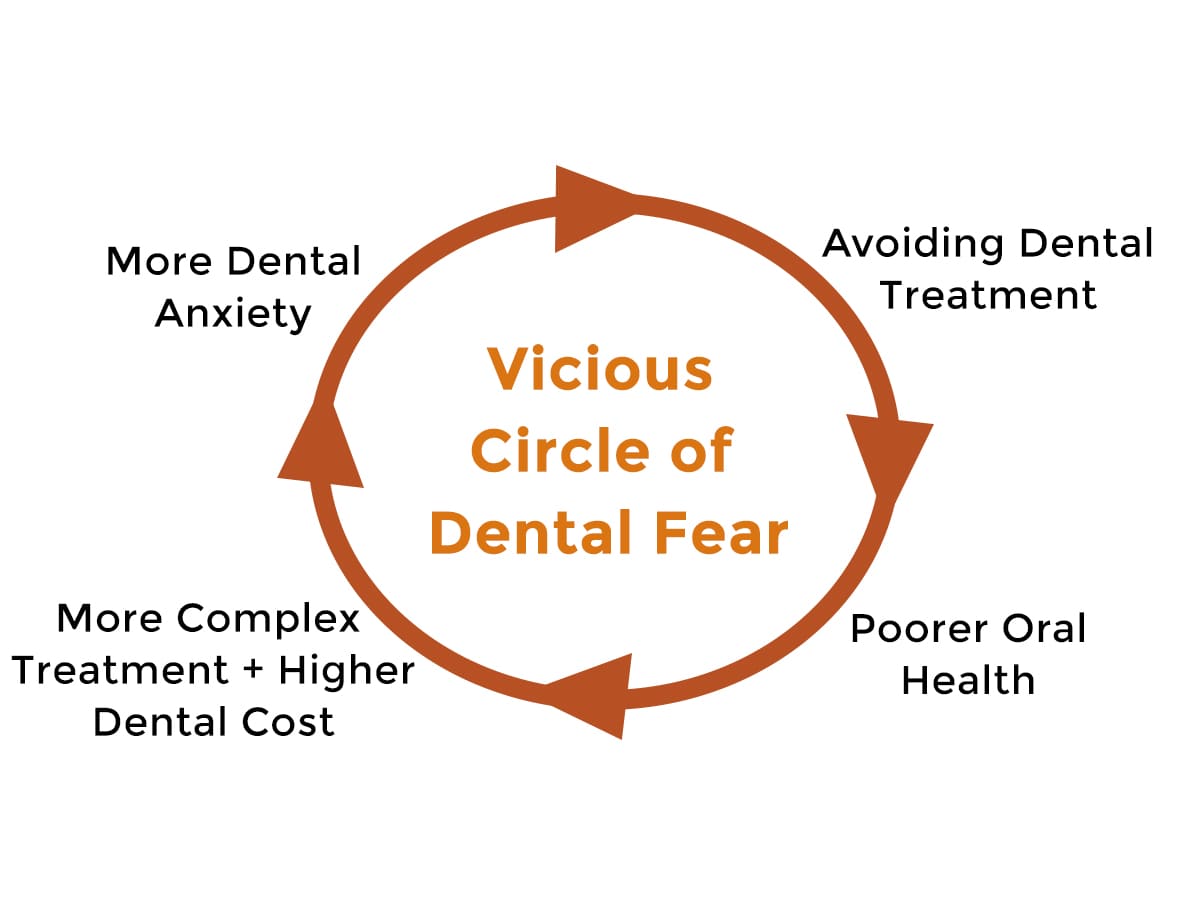
Regular dental check-ups, cleanings, and X-rays help prevent dental diseases and catch problems early, reducing the need for invasive treatments. Dentists also screen for mouth cancer, especially important for smokers and those who regularly consume alcohol.
Who is Affected?
Dental anxiety is common across all age groups.
- Children with bad dental experiences can overcome their fears with proper support.

- Adults tend to remain anxious if not addressed.
Finding a sympathetic dentist can help anxious patients manage their fears.
Managing Dental Anxiety:
There are several strategies to manage dental anxiety:
- Communication: Discuss your anxiety with your dentist to tailor a management plan.
- Psychological Techniques:
-Deep breathing
– Meditation
– Distraction (e.g., listening to music)
– Guided imagery
– Progressive muscle relaxation
– Pre-agreed signals to pause treatment

- Professional Support: Referral to a psychologist for therapies like cognitive behavioral therapy can be effective.
- Medical Management Options:
- Relative Analgesia (Happy Gas): Nitrous oxide helps relaxation without loss of consciousness.
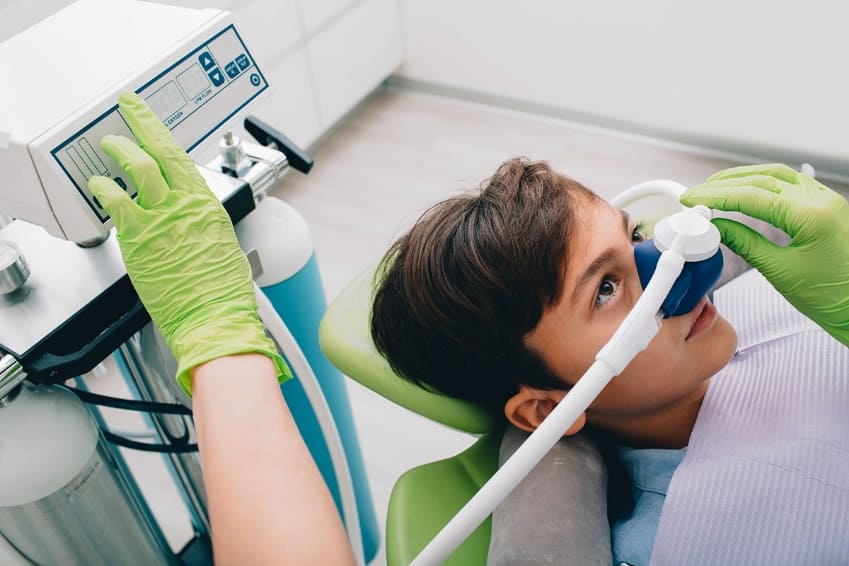
- Anxiety-Relieving Medication: Oral medications like temazepam are prescribed to relax patients before appointments.
- Conscious Sedation: Intravenous sedation induces relaxation or light sleep while allowing responses to prompts.
- General Anesthesia: Conducted in a hospital, this involves full unconsciousness, suitable for severe cases but doesn’t aid in coping strategy development. By utilizing these approaches, individuals with dental anxiety can receive the care they need while managing their fears effectively.
Key to overcoming dental anxiety is selecting the right dentist. A supportive and empathetic dentist can create a calming atmosphere, explain procedures thoroughly, and address patient concerns with sensitivity.
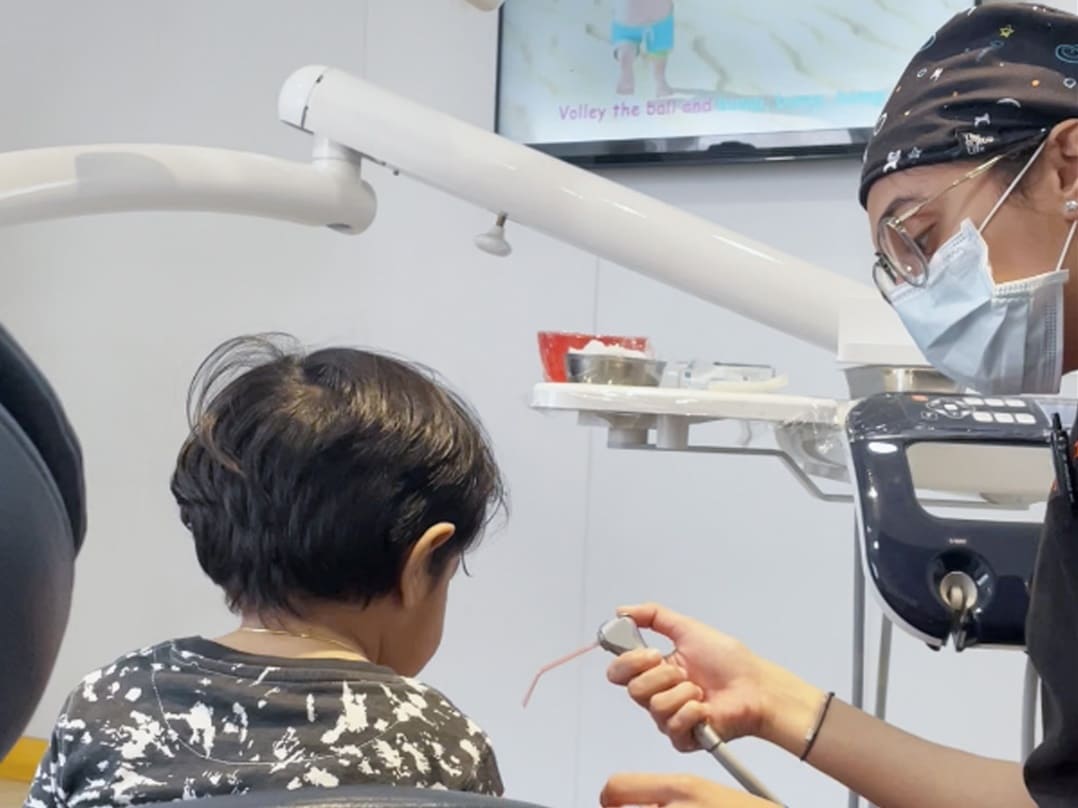
At FMS Dental Hospital, doctors use a combination of following techniques to manage dental anxiety in patients:
1. Pre-Appointment Communication: Patients receive information about what to expect during their visit, including details about procedures and the clinic environment, to help alleviate anxiety.
2. Patient-Centered Care: Doctors at FMS Dental Hospital prioritize patient comfort and preferences, taking the time to listen to their concerns and tailor treatment plans accordingly.
3. Sedation Options: Depending on the level of anxiety and the complexity of the procedure, doctors offer sedation options such as nitrous oxide (laughing gas), oral sedatives, or intravenous (IV) sedation to help patients relax.
4.Technology and Distraction: Utilizing state of the art technology such as TVs, music distracts patients and help alleviate anxiety during treatment.
5. Empathetic Approach: Doctors employ empathy and understanding to create a supportive environment where patients feel safe expressing their fears and concerns.
6. Gradual Exposure: For patients with severe dental phobia, doctors recommend a gradual exposure approach, starting with simple, non-invasive procedures and gradually progressing to more complex treatments as the patient becomes more comfortable.
7. Patient Education: Educating patients about the importance of dental care and how specific treatments improve their oral health definitely help alleviate anxiety by providing a sense of control and understanding.
8. Follow-Up and Support: After the appointment, doctors may follow up with patients to address any lingering concerns and provide additional support or resources if needed.
By employing these strategies, doctors at FMS Dental Hospital aim to create a supportive and comfortable environment for patients with dental anxiety.
It’s crucial to recognize that dental anxiety is common and seeking professional help is encouraged. Dentists are trained to assist patients in managing their fears, ensuring a safe and comfortable dental experience.
If you are looking for Advanced Dental Treatments with modern technology and quality treatments. Consult FMS Dental Clinics. Best Dental Clinic in Hyderabad, a Multi Disciplinary Dental Clinic chain in Hyderabad.
For Appointment Booking. Please call us or WhatsApp at 8885060770 or Email Us at contact@fmsdental.com