
In the branch of modern dentistry, the constant desire for perfect smiles and functional teeth has reached new heights with the introduction of implant dentistry. Dental implants offer a remarkable solution for replacing missing teeth, providing patients with restored aesthetics, improved chewing ability, and enhanced confidence. However, the success of dental implants revolves significantly on the foundation upon which they are placed – the jawbone. This is where bone grafting emerges as a crucial component, laying the groundwork for secure and long-lasting dental implants.
Understanding Bone Grafting:
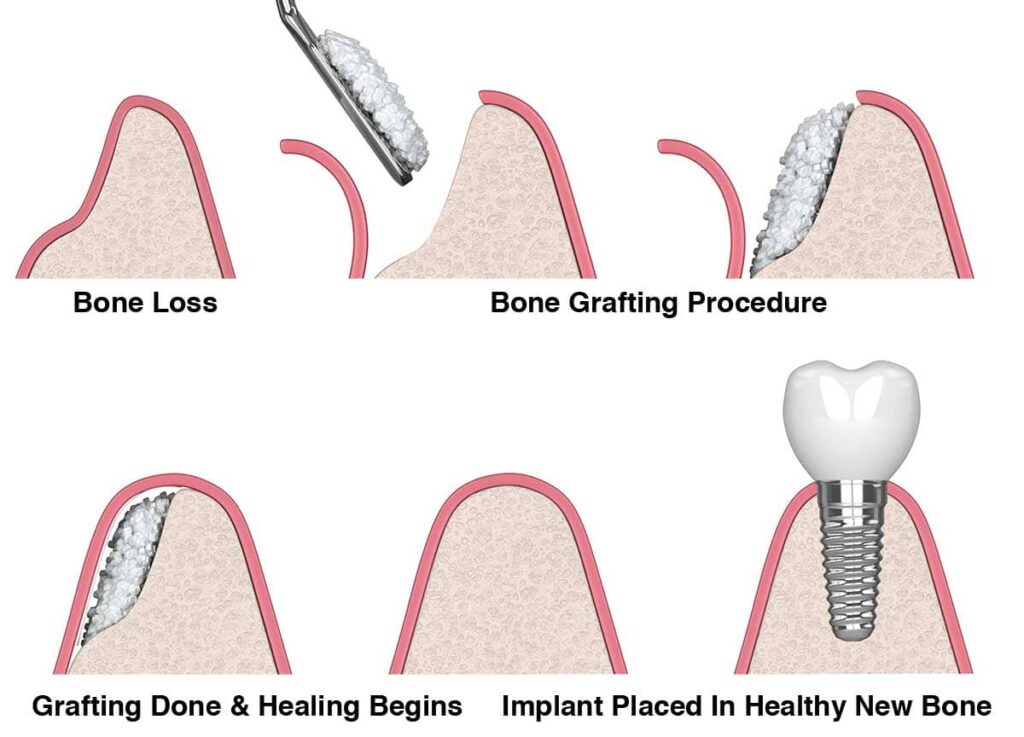
Bone grafting is a surgical procedure that involves transplanting bone tissue to repair or rebuild bones that have been damaged or lost. In the context of implant dentistry, bone grafts serve the essential function of increasing the density of the jawbone to create a stable environment for implant placement.

The Importance of Sufficient Bone Volume
One of the primary requirement for successful dental implantation is adequate bone volume and density in the jawbone. However, factors such as tooth loss, severe gum disease, trauma, or birth-related defects can lead to bone resorption, wherein the bone undergoes a gradual reduction in mass and density. Insufficient bone volume can hamper the stability and longevity of dental implants, increasing the risk of implant failure.
Types of Bone Grafts:
In implant dentistry, bone grafting plays a crucial role in providing adequate bone volume and density to support dental implants. Various types of bone grafts are utilized depending on the specific needs of the patient and the clinical situation. Here are some common types of bone grafts used in implant dentistry:
- Autogenous bone grafts: Autogenous bone grafts involve harvesting bone from the patient’s own body, typically from areas such as the chin, jaw, hip, or tibia. This type of graft is often considered the gold standard because it has the highest potential for successful integration and minimal risk of rejection.
- Allografts: Allografts use bone taken from a human donor, usually from a bone bank. The bone is processed to remove cells and reduce the risk of immune rejection. Allografts are commonly used in implant dentistry due to their availability and convenience.
- Xenografts: Xenografts utilize bone graft material sourced from another species, often bovine (cow) or porcine (pig) sources. Like allografts, xenografts are processed to remove organic material and minimize the risk of immune rejection. They provide a platform for new bone formation and are widely used in implant dentistry.
- Alloplastic materials: Alloplastic bone grafts consist of synthetic materials such as calcium phosphates, calcium sulphates, bioactive glass, or hydroxyapatite. These materials are biocompatible and provide a platform for new bone growth. Alloplastic materials are advantageous because they eliminate the need for a second surgical site for bone harvesting.
- Growth factors and bone substitutes: In addition to traditional bone graft materials, growth factors such as platelet-rich plasma (PRP) or platelet-rich fibrin (PRF) may be used to enhance bone regeneration around dental implants. These substances contain concentrated growth factors from one’s own blood that enhance tissue healing and bone formation.
The selection of bone graft material in implant dentistry depends on various factors including the extent of bone deficiency, the patient’s medical history, surgical considerations, and the clinician’s expertise. Each type of bone graft has its advantages and limitations, and the choice is made based on individual patient needs and treatment goals.
The Bone Grafting Process
Bone grafting is typically performed in combination with implant surgery and follows a systematic approach:
1. Assessment and Planning: Thorough evaluation of the patient’s oral health and bone structure guides the treatment plan, including the selection of the appropriate grafting material.
2. Graft Placement: The chosen bone graft is placed in the deficient area of the jawbone, where it integrates with the existing bone and stimulates new bone formation.
3. Healing and Integration: Over time, the graft material fuses with the surrounding bone through a process called osseointegration, strengthening the jawbone and providing a stable foundation for dental implants.
Enhancing Implant Success Rates
By addressing bone deficiencies and creating a supportive environment for implant placement, bone grafting significantly enhances the success rates of dental implant procedures. It allows for the rehabilitation of patients with compromised bone structure, expanding the pool of candidates eligible for implant treatment.
Bone grafting plays a major role in implant dentistry for several reasons:
- Enhancing Bone Density and Volume: Bone grafting helps to increase bone density and volume in areas where the jawbone has deteriorated due to tooth loss, trauma, or severe gum disease. This increase creates a stable foundation for dental implants, ensuring they have adequate support for successful integration into the bone.
- Implant Stability: A sufficient amount of healthy bone is necessary to provide stability for dental implants. Bone grafting procedures can regenerate or build up bone in areas where it has resorbed, allowing for better implant stability and reducing the risk of implant failure.
- Supporting Aesthetic Results: Bone grafting procedures can help recreate the natural contours of the jawbone, ensuring that the final restoration looks natural and aesthetically pleasing. This is especially important in the anterior region of the mouth where aesthetics are highly valued.

- Implant Success Rate: Adequate bone volume and density are critical factors for the long-term success of dental implants. Bone grafting procedures contribute to the overall success rate of implants by providing a suitable environment for osseointegration, the process by which implants fuse with the surrounding bone.
- Treatment of Bone Defects: Bone grafting can address bone defects resulting from conditions such as birth-related abnormalities, trauma, or tumour removal. By restoring lost bone structure, these procedures facilitate the placement of dental implants and improve overall oral function and aesthetics.
- Expansion of Treatment Options: Bone grafting opens up treatment options for patients who may not have been considered suitable candidates for dental implants due to insufficient bone volume. With advances in bone grafting techniques and materials, more patients can now benefit from implant-supported restorations.
- Prevention of Further Bone Loss: By stabilizing and increasing the jawbone, bone grafting procedures help prevent further bone loss, preserving the integrity of the facial structure and supporting overall oral health.
In the wide world of implant dentistry, bone grafting serves as the cornerstone for building strong and durable foundations. By restoring lost or damaged bone tissue, bone grafts serve the way for the successful integration of dental implants, restoring not only smiles but also confidence and quality of life for patients. As technology advances and techniques evolve, the role of bone grafting continues to be essential in shaping the future of implant dentistry, ensuring optimal outcomes for patients seeking functional and aesthetically pleasing dental solutions.
The choice of bone grafting option is entirely case-specific and depends on various factors, including the extent of bone loss, radiological investigations, patients’ preferences and also their over-all health. At FMS International Dental Center, Hyderabad which is ranked as the Number One Single Speciality Dental Clinic in Pan India, clinicians offer their patients premium quality of bone grafts like Creos, Rocky Mountain etc. in the course of dental implant treatments ensuring that the quality of treatment is not compromised.
So, if you have compromised bone in the jaws and are looking for a fixed replacement for your missing teeth, the team of Expert Dental Implantologists at FMS offer tailored solutions addressing your specific needs, providing a fixed and reliable solution for compromised bone in the jaws.
If you are looking for Dental Implants, Schedule your consultation today at FMS Dental, Best Dental Implant Clinic in India.