When looking for advanced root canal treatment, FMS Dental Kompally is best choice as they perform root canal treatments using laser technology, precision techniques and a strong focus on patient comfort, making the procedure safe, predictable and virtually painless.
Tooth pain can be more than just uncomfortable, it can disrupt your daily routine, sleep, and overall quality of life. When a tooth becomes severely decayed or infected, many patients fear that extraction is the only option. However, modern dentistry offers an effective, tooth-saving solution that is Root Canal Treatment (RCT).
FMS Dental Kompally is a specialized centre for root canal therapy, featuring highly experienced endodontists and the latest dental technology to maximize treatment success and patient outcomes.
FMS Dental is supported by an advanced CAD–CAM laboratory where dental crowns are fabricated with exceptional precision by skilled master technicians. A wide range of dental crowns is available to restore treated teeth, ensuring a natural appearance while delivering both aesthetic appeal and optimal functionality.
What Is Root Canal Treatment?
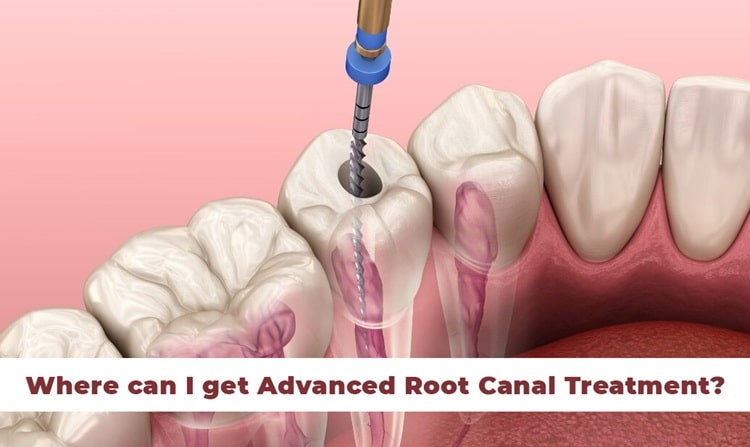
Root canal treatment is a dental procedure designed to save a badly damaged or infected tooth instead of removing it. Inside every tooth is a soft tissue called the pulp, which contains nerves and blood vessels. When this pulp becomes infected due to deep decay, cracks, or trauma, it can cause severe pain and swelling.
During a root canal procedure:
- The infected pulp is carefully removed
- The inner canals are thoroughly cleaned and disinfected
- The canals are filled and sealed to prevent reinfection
- The tooth is restored with a crown for strength and protection
This allows you to keep your natural tooth while eliminating pain and infection.
When do you need a Root Canal Treatment?
You may require root canal treatment if you experience symptoms such as:
- Persistent or severe toothache
- Sensitivity to hot or cold that lingers
- Pain while chewing or biting
- Swollen or tender gums near a tooth
- Tooth discoloration or darkening
- A pimple-like swelling (abscess) on the gums
At FMS Dental Kompally, dentists use digital X-rays and detailed clinical evaluation to accurately diagnose the need for root canal treatment at an early stage.
Root Canal Treatment is not Painful, How?
One of the biggest myths surrounding root canal treatment is that it is painful. In reality, modern root canal procedures are no more uncomfortable than getting a dental filling.
At FMS Dental Kompally:
- Local anesthesia ensures the area is completely numb
- Advanced rotary instruments make treatment faster and smoother
- Modern techniques reduce post-treatment discomfort
- Gentle, patient-focused care ensures a stress-free experience
Most patients feel immediate relief from pain after the procedure.
What is the Step-by-Step procedure of Root Canal Treatment at FMS Dental Kompally?
- Comprehensive Examination: The dentist carefully examines your tooth using advanced digital imaging technologies, such as digital X-rays or 3D scans, to accurately evaluate the extent of the infection. This detailed assessment helps determine how deeply the infection has spread, the condition of the surrounding tissues and the most appropriate treatment approach to ensure effective and long-lasting results.
- Pain-Free Anesthesia: Local anesthesia is carefully administered to numb the affected area, ensuring that you remain completely comfortable throughout the procedure. This helps eliminate pain and discomfort while allowing the dentist to perform the treatment smoothly and efficiently.
- Cleaning the Infection: The infected or damaged pulp tissue is gently removed from inside the tooth, eliminating the source of pain and infection. The root canals are then thoroughly cleaned, disinfected and carefully shaped to remove any remaining bacteria and debris, preparing them for proper sealing and long-term protection.
- Sealing the Tooth: Once the canals have been thoroughly cleaned and shaped, they are filled with a biocompatible material that safely seals the space. This material helps prevent bacteria from re-entering the canals, reducing the risk of reinfection and supporting the long-term health and stability of the treated tooth.
- Final Restoration: A dental crown is then placed over the treated tooth to restore its strength, appearance, and full functionality. In many cases, a high-quality zirconia crown is used due to its exceptional durability, natural tooth-like appearance and excellent biocompatibility. Zirconia crowns provide long-lasting protection, withstand chewing forces effectively and blend seamlessly with surrounding teeth for an aesthetic and functional restoration.
What are the advantages of Root Canal Treatment?
Root canal treatment is a safe and effective procedure designed to save severely infected or damaged teeth. The advantages of root canal treatment are:
- Saves Your Natural Tooth
- Eliminates Pain and Infection
- Restores Normal Chewing and Function
- Prevents Tooth Extraction and Tooth Loss
- Cost-Effective in the Long Run
- Improves Oral and Overall Health
Why Choose FMS Dental Kompally for Root Canal Treatment?
Choosing the right dental clinic for root canal treatment is crucial for ensuring a comfortable and successful procedure. FMS Dental in Kompally has established itself as a reliable option for patients seeking root canal therapy, offering specialized endodontic care with experienced dentists and modern technology
Experienced Specialists
FMS Dental Kompally is home to highly skilled dentists and endodontists with extensive experience in performing complex root canal procedures.
Advanced Technology
The clinic uses:
- Digital X-rays for accurate diagnosis
- Rotary endodontic systems for precise cleaning
- High-quality materials for long-term success
Patient-Centric Approach: Every treatment is tailored to the patient’s comfort, concerns and dental needs. The team ensures clear communication and reassurance throughout the process.
Strict Sterilization and Safety Protocols: FMS Dental follows international standards of hygiene and sterilization, ensuring a safe treatment environment.
Long-Lasting Results: With proper care and a protective crown, a root canal-treated tooth can last a lifetime.
Easy access for location: Located conveniently near Suchitra X-roads, and it is near to the locations like old bowenpally, Alwal. The clinic features senior endodontists who specialize in painless and single-sitting root canal treatments using advanced laser technology.
Life after Root Canal Treatment
After the procedure, it is common to experience mild tenderness or sensitivity for a day or two as the treated area begins to heal. Most patients are able to return to their normal daily activities on the same day without any difficulty. Maintaining good oral hygiene practices, such as regular brushing and flossing, plays a crucial role in ensuring the long-term success of the treatment.
In addition, routine dental check-ups help monitor the health of the restored tooth and surrounding tissues. Once healing is complete and the tooth is fully restored, it will look, feel and function just like a natural, healthy tooth.
What is the cost of root canal treatment at FMS Dental Kompally?
At FMS Dental Kompally, root canal treatment begins at Rs. 6,000, with the final price determined by the extent of tooth infection and the complexity of the procedure. To ensure complete restoration, a crown must be placed following the root canal therapy. Crown pricing is material-dependent, with zirconium crowns starting at Rs. 9,000, while other options vary according to brand and composition.
Conclusion
Root canal treatment is a reliable and effective way to relieve pain while saving your natural tooth. At FMS Dental Kompally, advanced laser technology, experienced endodontists and a patient-centric approach ensure a safe, precise and virtually painless treatment experience. From accurate diagnosis and thorough infection removal to high-quality crown restoration crafted in an advanced CAD–CAM laboratory, every step is designed for long-term success. Choosing timely root canal treatment helps prevent tooth loss, restores normal function, and protects overall oral health. With modern technology and expert care, FMS Dental Kompally helps you regain comfort, confidence and a healthy smile.
Looking for best dental clinic near kompally & Suchitra , Consult FMS Dental Clinics, Kompally.
For Appointment Booking. Please call us on 8886643237 or email us at [email protected]
Frequently Asked Questions (FAQs)
What is root canal treatment and why is it needed?
Root canal treatment is a procedure performed to save a tooth when the inner pulp becomes infected or inflamed due to deep decay, trauma, or cracks. The pulp contains nerves and blood vessels, and once infected, it can cause severe pain and swelling. At FMS Dental Kompally, root canal treatment is done to remove the infected pulp, clean and disinfect the canals, and seal them to prevent reinfection, allowing patients to retain their natural teeth instead of opting for extraction.
Is root canal treatment painful?
Root canal treatment is no longer considered painful to modern dental techniques. Advanced local anesthesia, rotary instruments, and gentle clinical protocols ensure that the procedure is comfortable. Most patients experience significant relief from pain after treatment, as the source of infection is removed. Any mild soreness afterward is temporary and manageable with medication.
How long does a root canal procedure take?
The time required for a root canal depends on the tooth being treated and the complexity of infection. Single-rooted teeth may take about 45 to 60 minutes, while molars with multiple canals may require up to 90 minutes. The treatment should be carefully planned to balance efficiency with precision, and complex cases may be scheduled over multiple visits to ensure long-term success.
What are the symptoms that indicate I need a root canal?
Symptoms that may indicate the need for a root canal include persistent tooth pain, prolonged sensitivity to hot or cold, swelling of the gums, pain while chewing, pus discharge, or darkening of the tooth.
How do dentists diagnose the need for root canal treatment?
Dentists at FMS Dental Kompally diagnose the need for root canal treatment through a combination of clinical examination, patient history, digital X-rays, and advanced imaging when required. Sensitivity tests and percussion tests help assess pulp vitality, ensuring an accurate diagnosis and appropriate treatment plan.
Which crown is best after a root canal treatment?
After a root canal, the tooth becomes weaker and requires protection with a crown. Zirconia crowns are often recommended because of their strength, durability, and natural appearance. Depending on the tooth location and patient needs, porcelain-fused-to-metal or full ceramic crowns may also be suggested to restore function and aesthetics.
What is laser root canal treatment and is it safe?
Laser root canal treatment uses dental lasers to enhance disinfection of the root canals by eliminating bacteria more effectively. At FMS Dental Kompally, laser-assisted root canal treatment is performed using safe, approved technology and trained specialists. It improves cleaning efficiency, reduces bacterial load, and supports faster healing.
Can I eat normally after root canal treatment?
Patients can eat after root canal treatment once the numbness wears off, but it is advisable to start with soft foods. Patients are advised to avoid chewing on the treated tooth until the final crown is placed, as the tooth may be fragile during this phase. Normal eating can resume after complete restoration.
Are there any side effects of root canal treatment?
Most patients experience minimal side effects after root canal treatment. Mild tenderness, sensitivity, or slight swelling may occur for a few days. Dentist will provide appropriate medications and post-treatment instructions to ensure a smooth recovery and to minimize discomfort.
Does root canal treatment require multiple visits?
Root canal treatment may be completed in a single visit for simple cases. However, teeth with severe infection or multiple canals may require two or more visits. The number of visits is determined based on infection severity and healing response, with emphasis on long-term treatment success.
Can root canal treatment fail or need retreatment?
Although root canal treatment has a high success rate, failure can occur due to delayed crown placement, or new decay. At FMS Dental Kompally, advanced imaging, magnification, and specialist care significantly reduce the risk of failure. Retreatment options are available if required.
How is infection cleaned from inside the tooth?
Infection inside the tooth is removed by carefully shaping and cleaning the canals using rotary instruments and antibacterial irrigating solutions. At FMS Dental Kompally, laser disinfection and modern endodontic protocols ensure thorough cleaning, even in complex canal systems.
Can cracked teeth be saved with root canal treatment?
Yes, cracked teeth can often be saved with root canal treatment if the crack is detected early and has not extended into the root. The procedure removes infected pulp tissue, eliminates pain, and prevents bacterial infection from spreading inside the tooth. After the root canal, a dental crown is placed to strengthen the tooth and hold it together, reducing the risk of further damage. Early diagnosis and timely treatment significantly improve the chances of preserving a cracked tooth.
Is root canal treatment safe for elderly patients?
Root canal treatment is a safe, effective, and commonly performed procedure for elderly patients, helping them preserve their natural teeth and maintain a good quality of life. Before treatment, a thorough evaluation of the patient’s medical history, existing health conditions, and medications is essential to ensure safety and comfort. Modern dental techniques, advanced diagnostic tools, and effective local anesthesia make the procedure gentle and well tolerated.
Can pregnant women undergo root canal treatment?
Root canal treatment can be safely performed during pregnancy, particularly during the second trimester, which is considered the most suitable time for dental procedures. Treating an infected tooth is important, as untreated dental infections can pose greater risks to both the mother and the developing baby. Protective measures, such as lead aprons during digital X-rays, are used to minimize radiation exposure. Conservative, gentle treatment protocols and a patient-centric approach help ensure comfort while safeguarding the health of both mother and baby.
How do I choose the best clinic for root canal treatment?
Choosing the right clinic involves looking for experienced specialists, advanced technology, and strict sterilization standards. FMS Dental Kompally is known for its multi-specialty team, modern equipment, and patient-centric approach, making it a trusted choice for root canal treatment.
What happens if the crown is delayed after a root canal?
Delaying crown placement after a root canal treatment can leave the treated tooth weak and more prone to fracture, as the tooth becomes brittle once the nerve is removed. Without a crown, there is also an increased risk of bacterial leakage and reinfection, which can compromise the success of the treatment. Dentists generally recommend placing the crown within a few weeks after the root canal to restore strength, protect the tooth from chewing forces, and seal it properly. Timely crown placement plays a crucial role in ensuring long-term durability and success of the treated tooth.
Can I travel immediately after a root canal procedure?
Most patients can travel immediately after a root canal procedure. At FMS Dental Kompally, patients usually resume normal activities the same day or the next day, provided there are no complications or severe post-treatment discomfort.
How soon can I chew on the treated tooth?
Light chewing can begin once the numbness wears off, but heavy chewing should be avoided until the crown is placed. Dentists at FMS Dental Kompally provide personalized guidance to prevent damage during the healing phase.
How do I know if the tooth infection has spread?
Signs of a spreading tooth infection may include increasing or continuous pain, swelling of the face or gums, and fever, indicating the body is responding to infection.
Patients may also notice a bad taste or foul smell in the mouth due to pus drainage from the infected area. In some cases, a pimple-like swelling or visible pus discharge may appear on the gums. A dental X-ray is essential to accurately determine how far the infection has spread to the surrounding bone and tissues.